
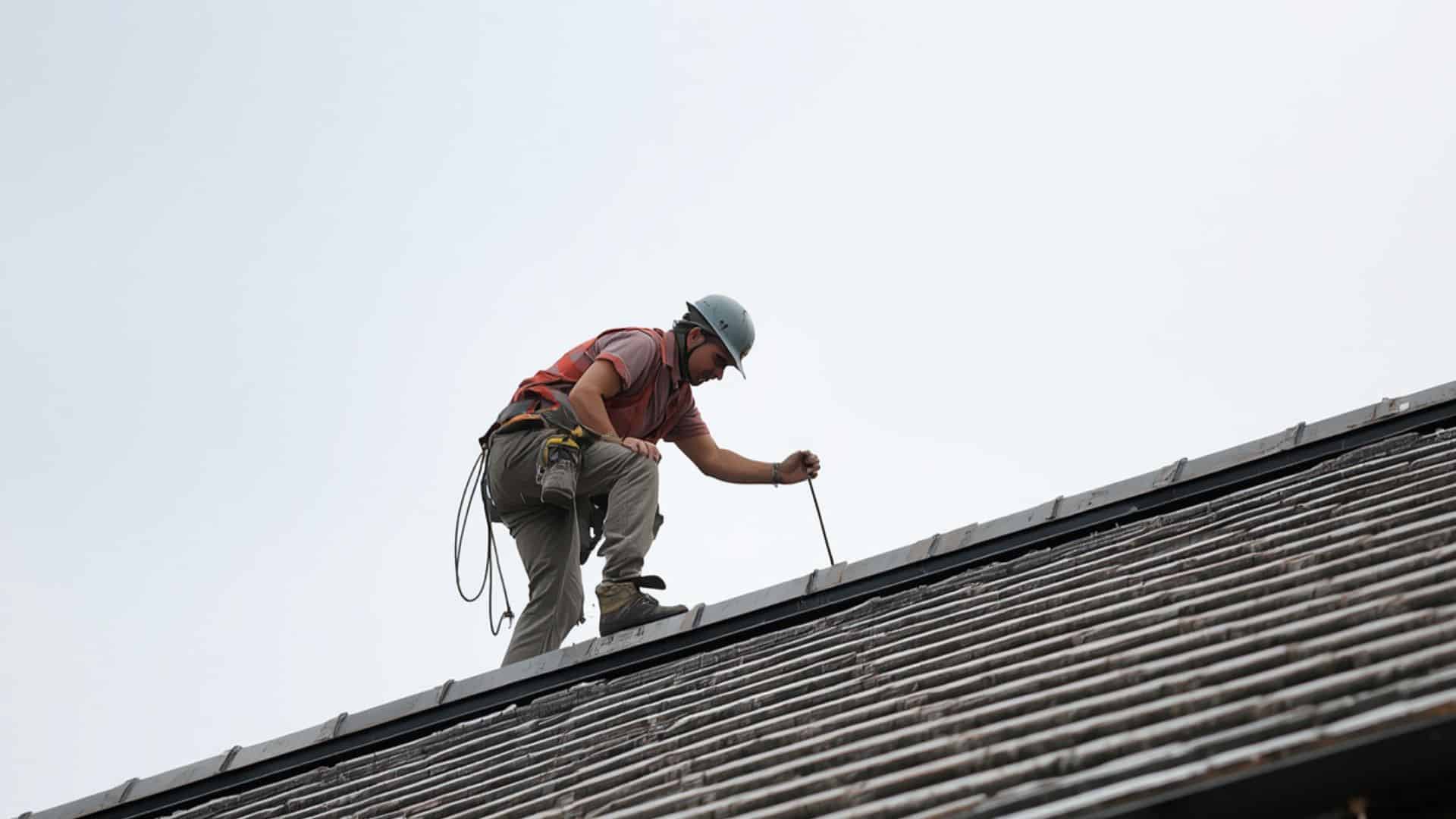
A commercial roof is one of those assets that rarely gets attention until something goes wrong. It sits above every meeting, every shift, every piece of inventory in the building, quietly doing its job until a leak, a soft spot, or a spike in energy costs forces it into the conversation. By that point, a business owner is usually dealing with a bigger and more expensive problem than a simple inspection would have caught.
Knowing how often a commercial roof actually needs to be checked, and why, can save a business a lot of money and a lot of stress down the road.
Why Commercial Roofs Get Overlooked
Most business owners are focused on running the business itself, not the building it operates out of. A roof doesn’t make noise, doesn’t show up on a monthly expense report, and usually isn’t visible from ground level, so it’s easy to assume it’s fine simply because nothing has gone wrong yet. Unfortunately, roofing problems tend to develop slowly and out of sight, which means the first visible sign is often already a symptom of a larger issue underneath.
The General Rule Of Thumb
For most commercial and industrial roofs, a full inspection twice a year, once in spring and once in fall, covers the bases well. Spring inspections catch any damage left behind from winter weather, ice buildup, or heavy snow load. Fall inspections make sure the roof is prepared to handle the next round of harsh weather before it arrives.
On top of the twice yearly schedule, an inspection right after any major storm, high winds, hail, or heavy rain is worth doing regardless of when the last scheduled check happened. Storm damage isn’t always obvious from the ground, and catching it early is usually the difference between a simple repair and a much larger replacement.
Factors That Can Increase How Often A Roof Needs Checking
Not every roof fits neatly into a twice a year schedule. A few things tend to push the recommended frequency higher.
Older roofs, especially anything past 15 to 20 years old, benefit from more frequent checks since materials naturally weaken and become more prone to leaks over time.
Roofs with a history of repairs or previous leak issues are worth watching more closely, since areas that have already had problems are more likely to develop new ones.
Buildings in regions with harsh weather swings, heavy snow, high winds, or frequent storms, tend to need more frequent attention than roofs in milder climates.
Flat and low slope roofs, common on a lot of commercial and industrial buildings, are more prone to ponding water issues and generally benefit from closer monitoring than sloped residential style roofs.
What A Proper Inspection Actually Covers
A thorough inspection goes well beyond a quick visual glance from the ground. It typically includes checking the roofing membrane for cracks, blisters, or wear, inspecting flashing and seams around vents, HVAC units, and edges where leaks most commonly start, checking for ponding water on flat roofs, and reviewing the interior ceiling and walls for any early signs of moisture intrusion.
A good inspection also results in documentation, detailed notes and photos that give a business owner or facility manager a clear record of the roof’s condition over time, rather than just a verbal thumbs up.
The Cost Of Skipping Inspections
Skipping regular inspections doesn’t make roofing problems go away, it just delays when they get discovered, usually until they’ve turned into something bigger. A small area of wear that would have cost a few hundred dollars to patch can turn into a full section replacement once water has had time to work its way into insulation, decking, or structural components underneath.
There’s also the disruption factor to consider. Emergency repairs often mean unexpected downtime, and depending on the type of business, that can mean lost production, closed areas, or unhappy customers and employees dealing with leaks or water damage in the meantime.
Why Preventative Maintenance Programs Have Become More Common
More businesses are moving toward ongoing maintenance programs rather than waiting for a problem and calling for a one time inspection. These programs typically build the twice yearly schedule directly into a service agreement, along with priority response if something unexpected comes up between scheduled visits.
For a business owner, this tends to remove the guesswork of remembering to schedule inspections and instead puts the roof on a consistent, professionally managed schedule. Programs like National Roofing & Sheet Metal’s maintenance plans are built around exactly this kind of proactive approach, treating the roof as a long term asset worth protecting rather than something to deal with only after a leak shows up.
Bottom Line
A commercial roof protects everything happening underneath it, the building, the equipment, the inventory, and the people working inside. Checking it twice a year, plus after any major storm, is a small investment compared to the cost of discovering a problem after it’s already caused damage. For business owners managing a facility, treating roof inspections as a routine part of operations, rather than an afterthought, tends to pay for itself many times over.
Frequently Asked Questions
How often should a flat commercial roof be inspected compared to a sloped one?
Flat roofs generally benefit from slightly more frequent attention since they’re more prone to ponding water and debris buildup. The twice yearly baseline still applies to both, but flat roofs are often worth an extra check midway through the year in regions with heavy rain or snow.
Does roof age change how often inspections are needed?
Yes, older roofs typically need closer attention. A roof under 10 years old with no history of issues may be fine on the standard twice yearly schedule, while anything past 15 to 20 years often benefits from more frequent checks as materials naturally age and weaken.
What’s the difference between an inspection and a maintenance program?
An inspection is a single point in time check of the roof’s condition. A maintenance program builds regular inspections into an ongoing schedule, often with priority response included if a problem comes up between visits.
Can weather alone justify an unscheduled inspection?
Yes, major storms, hail, high winds, or heavy snow load are all good reasons to have a roof checked outside the normal schedule. Storm damage isn’t always visible from the ground, so a proper inspection is the only way to know for sure whether anything was affected.
What happens if a business skips inspections for several years?
Small issues that would have been an easy fix often have time to develop into much larger problems. Water intrusion in particular can spread into insulation and structural components long before it becomes visible from inside the building, which usually means a bigger repair bill once it’s finally discovered